12 Things Travelers Should Know About the Philippines

The Philippine’s Independence Day is celebrated on June 12th. In honor of the number 12, I’m making a list of 12 important facts for anyone wanting to travel to this beautiful island nation. I’m sure more lists are soon to come as I begin to dissect everything I’ve experienced. 

  1. ATMs are located in major cities but charge Php 200 (USD $5) for a foreign card transaction. Bring American money which be used in certain places or easily exchanged.
  2. Taxis are relatively cheap if you find a metered cab, identified by an orange sign on the windshield. A taxi ride should never be more than Php 200. Once I jumped into a cab outside an airport just to find out there were set prices for locations. I had to pay Php 1800 (USD $42) for my error. The driver gave me Php 100 back because he said I was beautiful and I told him I should get a discount.
  3. Bring toilet paper in your purse or pocket whenever you travel around the city. Many public bathrooms, including those in malls, often do not have toilet paper. Also, put the paper in the trash bin because there is a very fragile sewage system that gets clogged easily.
  4. Movies and food are cheap! I went to see Harry Potter 7 Part 2 in 3D and paid about USD $10. Which is half the price of some malls in the United States. The food sold in stalls on the street are only a few cents but finding a nice sit-down restaurant with meals and drinks will only put you back about $10.
  5. If you are staying with family or friends and you decide to take a short trip, make sure to bring back a small gift. This can be a package of the local food, a painting etc. just to show that you were thinking of them. This gift, called a pasalubong, is an integral part of the Philippine culture and many stores advertise pasalubong in the airports.
  6. Titles of people are very important. Men and women who are slightly older than you are referred to as Kuya or Ate (for older brother or sister, respectively). Older people are either Sir or Mam with their first name ex. Sir Martin, Mam Jean.
  7. All meals are eaten with a fork and a spoon. The spoon is usually held in the right hand and fork in the left. The fork is used to push the meat and rice into the spoon before being brought to the mouth. Most meat is boiled, fried, or stir-fried so does not require a knife blade.
  8. There are two distinct languages spoken in the Philippines: Tagalog and Bisaya. While Tagalog is the official language, it is only spoken in Luzon. In the other two major regional areas, Visayas and Mindanao, varying dialects of Bisaya are spoken. All signs are in English and many people speak English fluently within urban areas. To see map: click here.
  9.  Be very wary of porters at bus stations, ferry ports and even airports. If you do not want to pay someone to move your luggage, you must be firm and vocal as soon as you board or unload. They expect a Php 15 or 20 tip. See earlier post.
  10. Become a scuba diver! The Philippines boasts some of the best dive sites in the world and offers a variety of short day trips and live aboard experiences to see coral reefs, ship wrecks and whale sharks. Some dive instructors offer student discounts but generally the course will cost between Php 10,000 and Php 18,000. Contact me if you want dive instructor recommendations.
  11. The country is fairly modest in terms of dress, probably due to the prevalent Catholic religion throughout the country. Outside of the very modern areas of Manila you will not see people in spaghetti straps or short shorts. Even in the hot weather, people wear jeans. In terms of beach clothes, buy a rash guard or some shirt and shorts combination that can be worn during swimming. Outside of foreign tourist beach resorts, walking around in a bikini is not appropriate. 
  12. If you are staying more than 21 days, get a visa. This can be done prior to your trip or after arriving in Manila. Also, double check the dates and length of time you are allowed to say. I was forced to pay an extravagant fee because I overstayed my visa, a mistake made by the Philippines Embassy before I even left the United States. 
The Philippines is one of the most beautiful countries I have ever visited. The abundance of natural beauty ranges from mountains to rice fields and white sand beaches. It is considered a biodiversity hotspot and houses an incredible number of endemic species. The Filipino people are beyond friendly, welcoming travelers into their homes and offering helpful advice as well as long-lasting friendship. A week before I left the country, I was already on Google searching for flights back from New York to Manila. But don’t take my word for it. See for yourself. 

Home Sweet America

My Philippines adventure has come to a close. I returned to America as a smarter, tanner version of the girl who boarded the plane 11 weeks prior. Fortunately I still have a couple more Philippines adventures to document so this won’t be the last post. However, it is the end of my time in a place that now seems so very far away.

And how far away it was. I boarded a plane bound for Tokyo at 8:00am on Sunday August 8th and arrived in JFK at 3:15pm the same day after a $120 fee immigration fee and 17 hours in the air. I envied the small Japanese boy in the seat next to me with his blue stripes pajamas who slept almost 9 of the 12 hour flight from Japan to the USA. I made a mental note to buy some of those pjs for my next trip. After retrieving my luggage from the not so merry-go-round at baggage claim, I made my way through the sliding glass doors and into the arms of my beaming parents. Home at last.

So as I sit on this park bench with a Starbucks in hand, it seems fitting that I would return from the Philippines to the heart of America for my welcome home. The Washington monument looms in the distance as a beacon and landmark for Americans and tourists alike. The choreographed ebb and flow of pedestrian traffic is accompanied by foreign tongues, languages I recognize and many I do not. I know this city, understand the street grid of lettered and numbered streets extending outward from the capital. The red line still connects Tenleytown to Farragut North, my daily commute as an intern last summer. Cities, like old friends, can be loved and missed.

I returned to my old office to thank Carl Burch for recommending Attorney Oposa. Carl was the connection between me and my summer journey, the initial spark that evolved into an unforgettable experience. I walked past my old cubicle and thought about the other interns I had met, now off to jobs and law school. How much can change in a year…

There are just 10 months between me and college graduation. I cannot imagine where I will be next summer at this time. A job? Applying to law school? Either way I can count on Abraham Lincoln and that iconic stone monument to welcome me back, whenever that may be.

20110809-031206.jpg

As Many Miles as Shoes

Shoes. The only thing between your feet and the rest of the world.

Marikina City is known as the shoe capital of the Philippines, a fact I learned while exploring the Shoe Museum last week. Many Filipinos don’t even know that a shoe museum exists in Marikina but by the powers invested in Google I was able to find the most obscure of tourist locations. Even the guard at the door looked surprised there was a visitor.

There is a reason the museum isn’t well known. The entire shoe exhibit takes only 20 minutes to walk through, including detailed reading of labels and inspection of dusty glass cases. The museum boasts 749 pairs of shoes, almost exclusively donated by Imelda Marcos, the wife of President Marco. And I will admit the woman did own quite a lot of shoes but when shoes aren’t dancing, climbing stairs, or running through giant mud puddles they aren’t much to look at.

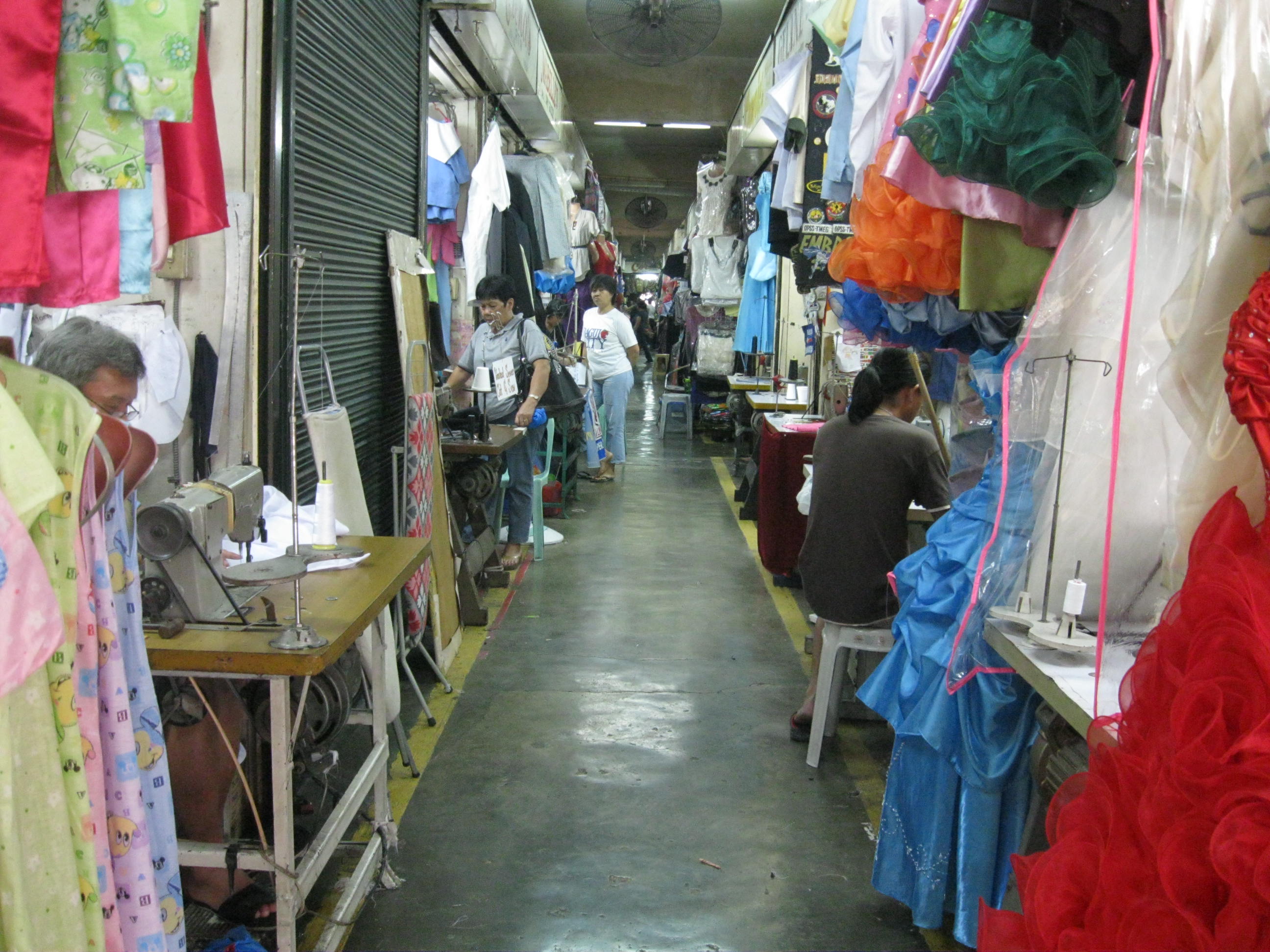
I had so much time after the exhibit that I decided to explore the city. I walked into a large covered market, common in the Philippines. Rows upon rows of small stands held everything the average customer could possibly want, ranging from clothing and necklaces to household appliances and plastic toy guns. The stands are mirror images of one another and it’s a shock that any of the vendors turn a profit. When twenty other people are selling the exact same items at the exact same price, it’s difficult to distinguish yourself from the rest.

Next to the goods is the wet market with meat, fish and produce available for the evening meal. I watched the men and women fanning away flies that flocked to the ribs, chicken breasts, and other cuts of pork and beef. The market feels raw and uncensored. Bar codes and printed price tags are replaced by hanging handwritten signs and open air.

The vendor booths continued into the adjacent building, reserved for souvenirs, seamstress and tailoring shops, and you guess it…shoes. Tons of them. The Shoe Museum had nothing on the assortment here and all the displays were for sale. I was overwhelmed by the variety of flip-flops, sandals, flats, and heels – lined up and extending in either direction. I don’t think I’ve ever seen so many shoes in my life.

So if you find yourself in the shoe capital with a free afternoon, skip the museum all together and wander over to the market. Walk through each aisle, conscious of hurried mothers or rowdy teenage boys. Stall after stall bulges with things you probably won’t buy but appreciate each vendor individually. Everyone is just trying to make a living after all.

TIME CHECK: Exactly 38 hours left before flight bound for JFK. Better make it count.


Blast fishing

At Bucknell last semester, I researched the devastating effects of dynamite fishing on the marine life in the Philippines. Local fishermen use homemade explosives to kill the fish and scoop them out of the water. While the method is initially effective, blast fishing permanently destroys the coral and plant life. Decades of slow coral growth gone in seconds.

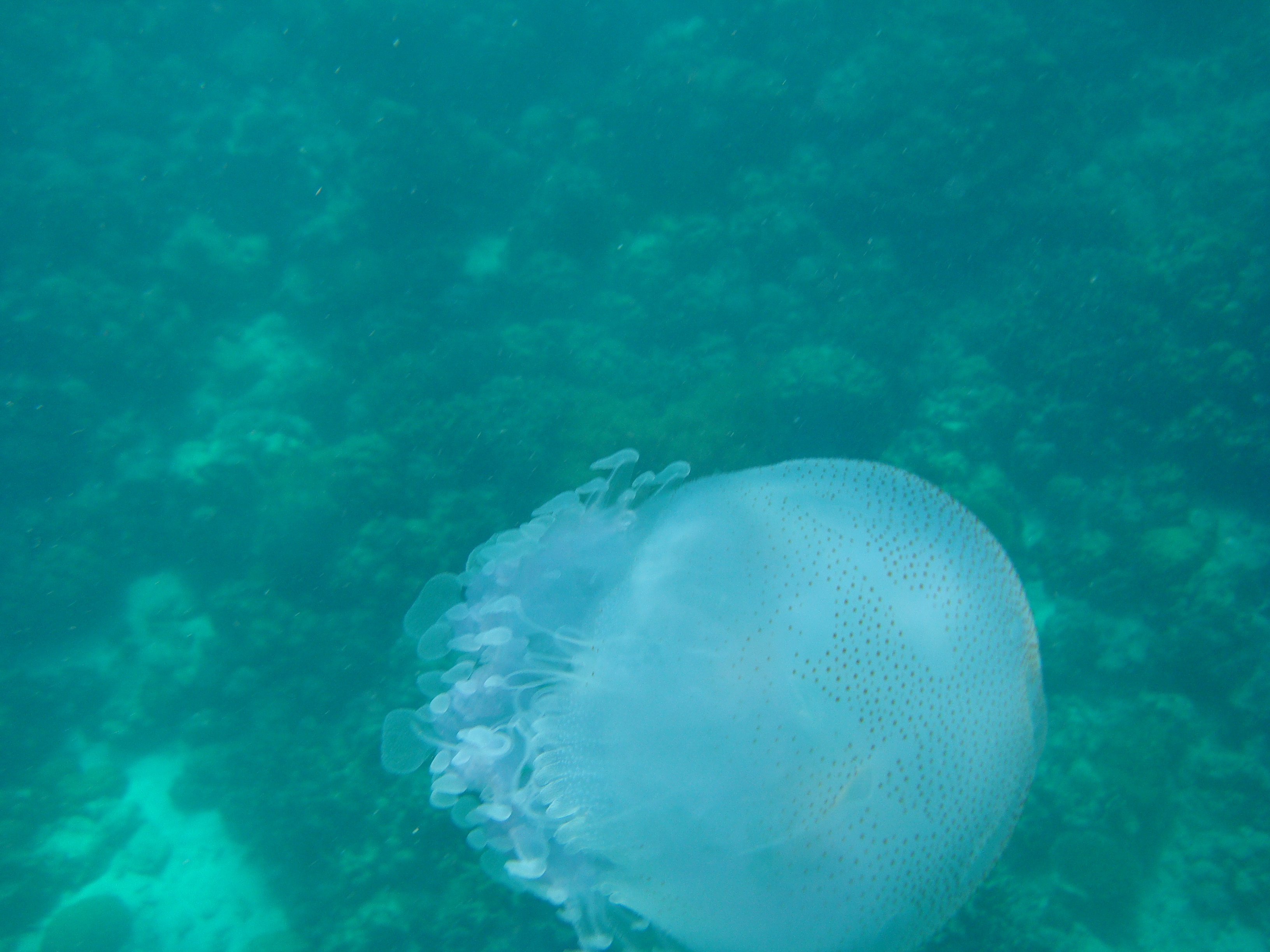
In Lewisburg, Pennsylvania the experience was academic and abstract. About 30 meters off the coast of Bantayan Island, the experience was directly in front of my fogged mask. We started snorkeling where the coral and marine life was still intact, taking the underwater camera down with us. Thick forests of blue coral appeared out of the water beneath my fins. Eager clownfish ventured out of their sea anemone homes to welcome us into their liquid world. I swam toward Carlie and turned around to see a giant jellyfish floating by- a dangerous ethereal orb.

We snorkeled at another location before moving toward shore. I noticed the coral and large fish begin to disappear. The coral forests looked as if they had been deforested by small underwater loggers. The starfish we found were exposed in their barren landscape. If this had been my first snorkeling experience, I wouldn’t have missed the fish and plant life. But after seeing such beauty minutes before, I felt robbed by past explosions caused by faceless fishermen.

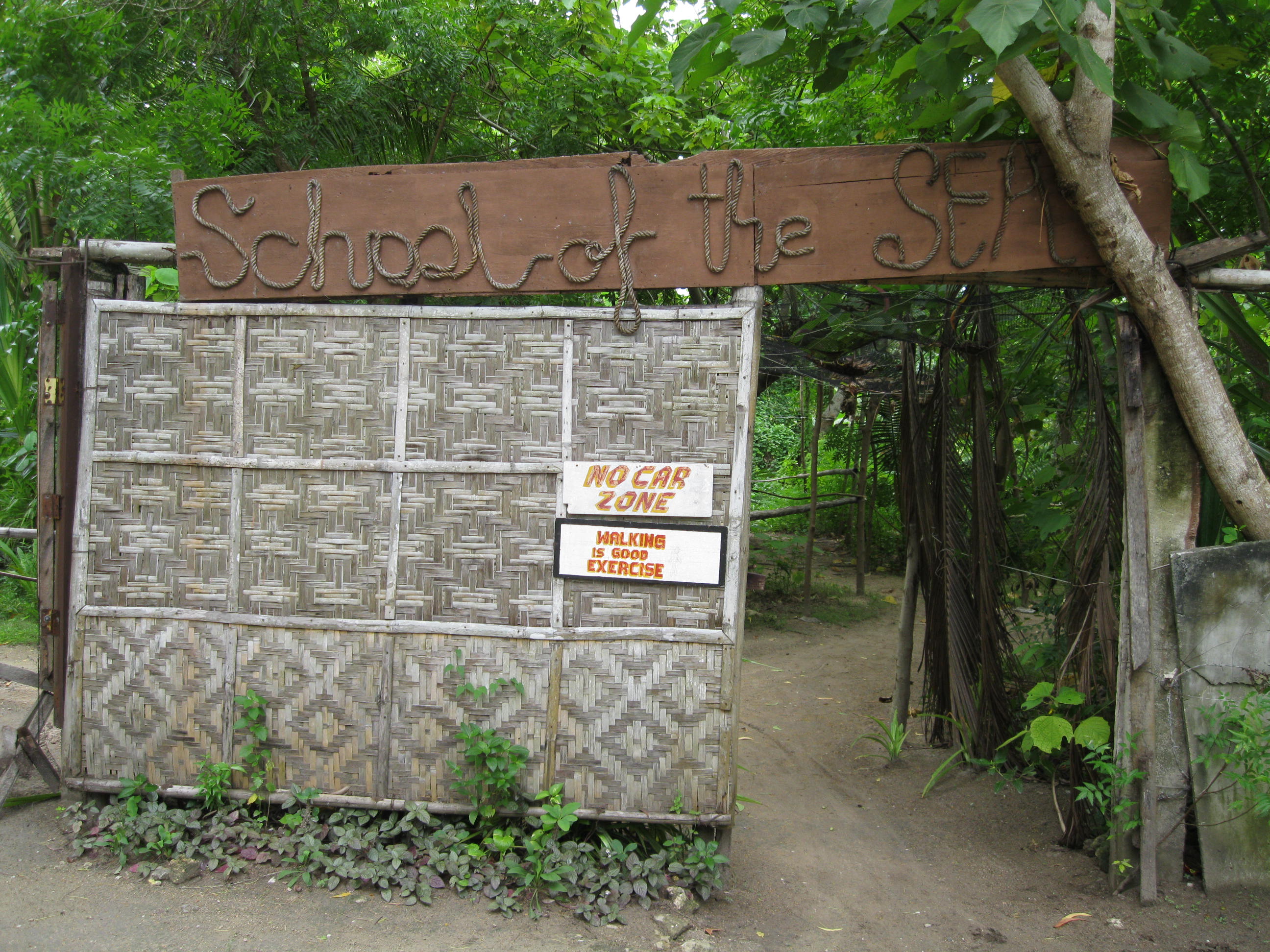
The importance of the School of the SEA has never been clearer. Each marine protected area (MPA) the team organizes helps to protect and regrow this underwater paradise. The environment is something worth protecting today and everyday, yet my mind returns to small fishing communities using blasting as a last resort. Are homemade bombs the only option? Is it right for environmentalists to protect the natural environment at the risk of others profits? Is it our duty to provide alternative livelihoods for these people or focus on the coral we fight to save?

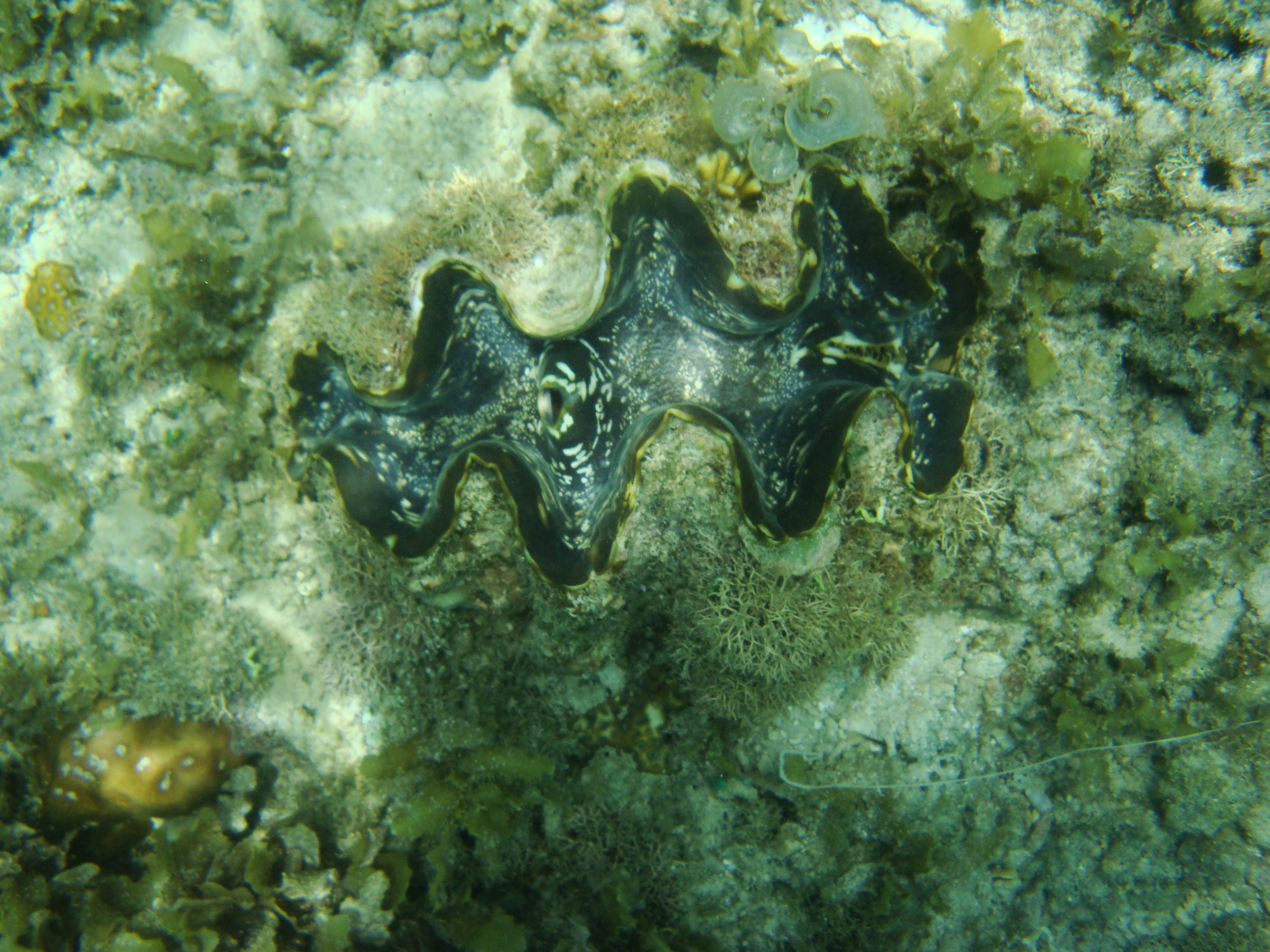
Giant Clam

There are no clear answers. The only thing I have found consistent throughout my time in the Philippines has been the relationship between human activity and the natural world. Our every action sets off a ripple that extends far beyond our limited knowledge of Earth yet our lack of answers is no excuse for inaction or the future will come too soon. 

Ba-utiful Ba-ntayan

It’s amazing how quickly one’s sleep schedule adjusts to the cycle of the sun and the sound of the tide. By the second or third day of my short stay, I was waking up at 5:30am as the sun’s rays peaked through the window shade above my head. In the evening, after the sun had set, my eyelids began to droop and I was never in bed much later than 10:00pm. Each day felt long and full, the way I imagined people felt long before electricity and flashing neon signs.

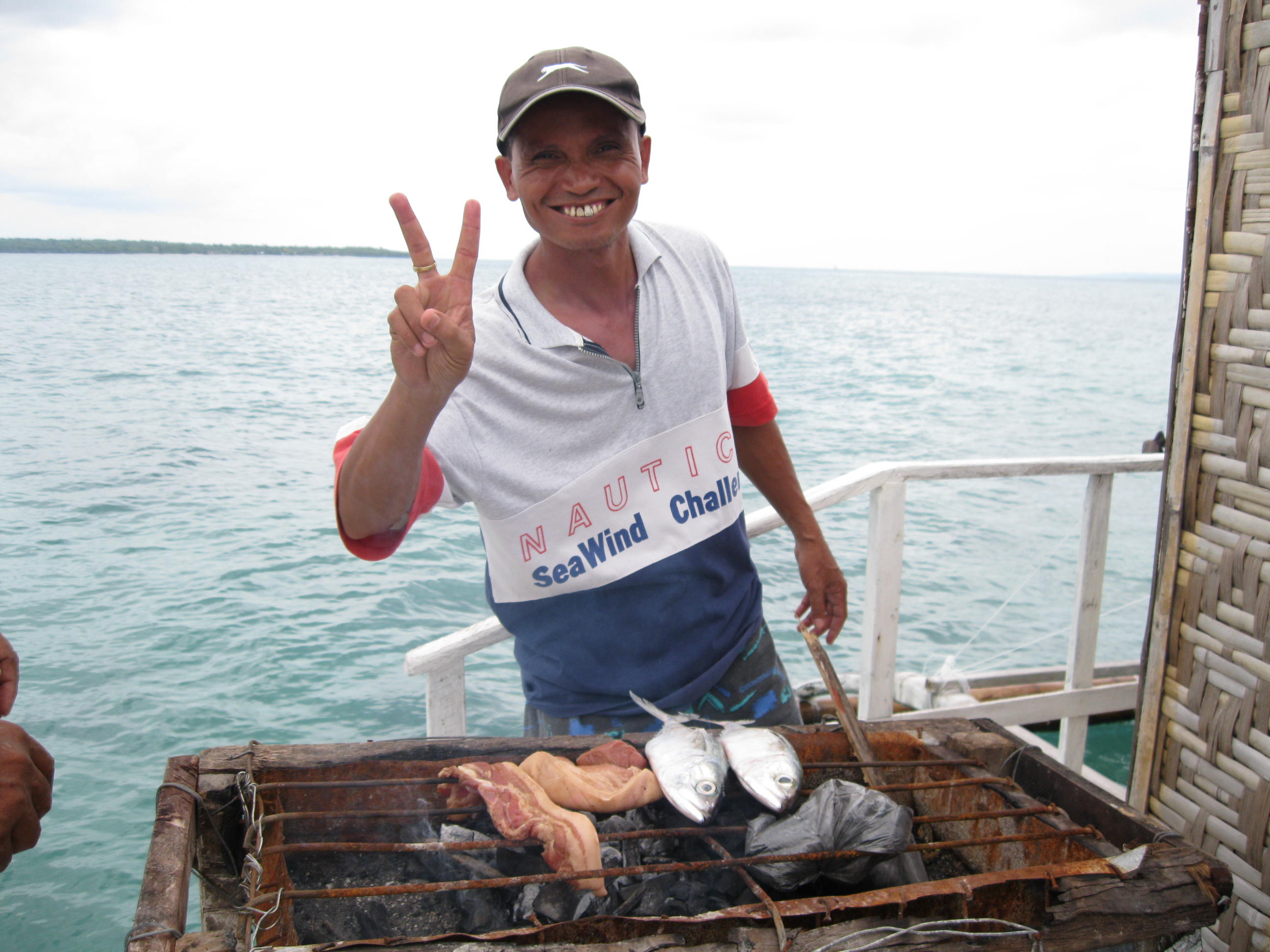
The School of the SEAs has a large fishing boat that we took out on Wednesday, my first full day. We had a wonderful meal with grilled fish, kinilaw (raw fish in vinegar and onions), pork, seaweed and rice. I ate with my hands along with the rest of the crew, feeling each grain of rice and small fish bone in my palm. My hand formed a personal connection with the food before it reached my tongue, an intimate exercise different from the use of a knife and fork. We spend the rest of the time snorkeling around the boat before returning to shore.

Ta Ta grilling on boat

I woke up early on Thursday morning, and by 6:30am I was out on the beach walking the white sandy shore. I took my journal along with me and sat down to write about the past couple of days while enjoying the warmth from the sun. Out of the corner of my eye, I noticed movement and turned see a middle-aged Caucasian man walking toward our hut. I called to him and asked if he needed anything. He walked over and introduced himself. He was staying at a resort not far away and looking to lease property on the island. His accent sounded familiar. “Where are you from?” I asked him. “Denmark. Copenhagen” he replied and I couldn’t help but smile. “Hvordan går det?” I asked in the best Danish accent I could muster.

For those of you who don’t know, I spend Fall semester 2010 in Copenhagen studying Sustainability in Europe (see old posts). The culture, the language, the people fascinated me and I fell in love with the small Scandinavian country. And so, as I sat on the beach of a small island off the northern tip of Cebu in the Philippines, I was struck by the beautiful circularity of life in the form of a lone Danish man who happened to be walking down the sand that morning. Coincidence? Perhaps. But in the moment, there was nowhere else in the world I wanted to be.

Small table (left) and Boat (right)

On Friday, Carlie and I traveled into the main town. We went past Santa Fe, our municipality, all the way to Bantayan about 20 minutes away. When we arrived, the wet market was still open and I saw varieties of fish, clams, and even small sharks for sale. For lunch, we stopped at a cafeteria that served 8 to 10 different dishes. That is, 8 to 10 varieties of pork. Anna’s brother likes to say that if Filipinos could eat the soul of a pig, they would. I said a quick prayer for all the vegetarians in the world before I sat down for my meal.

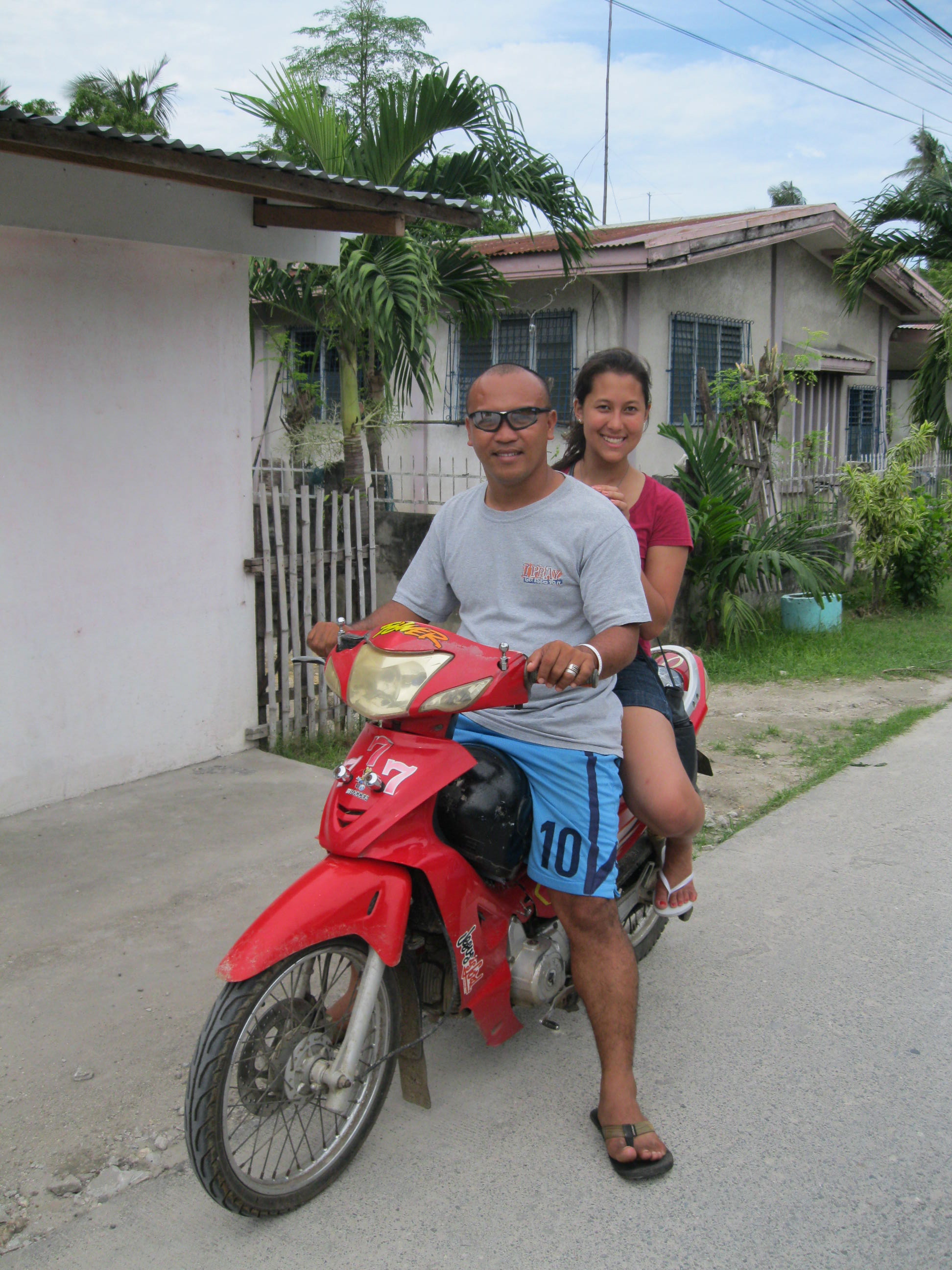
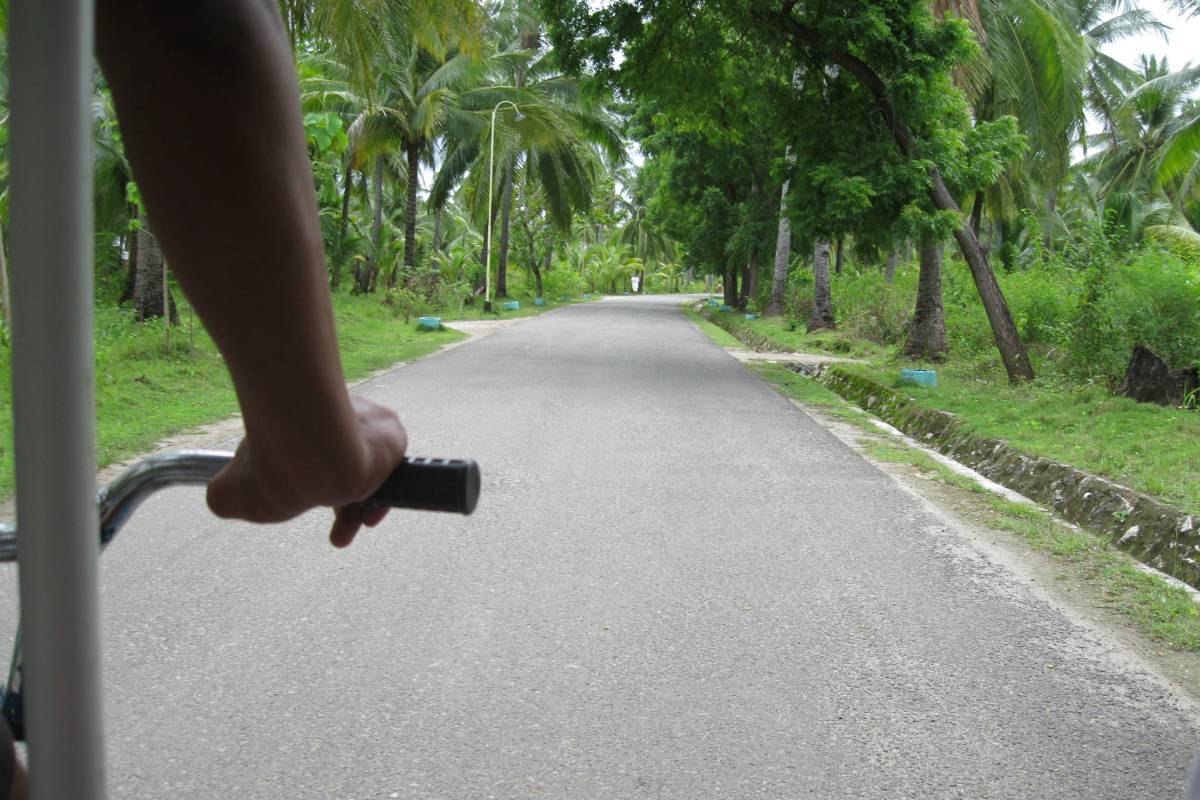
After lunch we had to make one more stop before returning home but a tricycle was nowhere to be found. Tricycles here are motorcycles with a giant wooden carrier attached capable of holding up to 6 or 8 people. The heat of the sun was unrelenting and we paused to sweat when a motorcycle stopped next to us. Carlie and the driver exchanged pleasantries while I smiled and nodded as if I understood the conversation. Before I knew it, I was holding on to Carlie’s waist as the three of us flew down the road on the Angelo’s bike. Apparently, riding on the back of someone else’s motorcycle is a common form of public transportation, especially the provinces. (Don’t worry Mom, I’m writing this post with all limbs attached).

When we returned to the camp, dinner was not yet ready so Carlie and I walked to the resort nearby and ordered one San Miguel each. We sipped slowly and watched the small sand crabs scurry across the shore and into the shadows. I thought about the fish and rice that would be waiting for us next door and couldn’t help but smile in the evening air.

Trip to Bantayan Island

My trip to Bantayan was memorable to say the least. I began my travel at 8am from Stu’s house in Boljoon and arrived at the School of the SEAs in Bantayan around 3:30pm. In the over 7 hour commute I learned a few very valuable lessons.

School of the SEAs

From the bus station in Cebu City, my overstuffed suitcase was whisked away onto the nearest bus. I followed along after it, paying the man 20 pesos when he looked at me expectantly. This would become a common theme of the trip. Lesson 1: Travel light. 

On the bus, I sat down across from a man wearing a USA t-shirt and tried to start a conversation. I quickly learned that just because someone is wearing a USA shirt, does not mean that person is an America. The conversation was short to say the least. When the bus person came to collect my bus ticket, my smallest bill was P10o0 for a P108 bus ticket fair. I thought about explaining I had just taken money from an ATM but “Typical Rich Foreigner” was already stamped on my forehead. He told me I would get change at the end of the trip but I worried all the way to the bus rest stop. At which time, I took it upon myself to get change for Php1000…by buying approx. Php200 worth of bread. The conversation went like this:

Me: “Hi. So I really need change, and the bus might leave soon. And I’m kind of hungry so I need to buy some bread. How about P100? Or P200? Because I only have a P1000. Is that ok? Can I buy some rolls?

Confused Bakery Woman: “Umm (giggle) I can give change.”

Me: “Really? Ok great. So I’ll take one of those and two of those. And, are those good? Wait, doesn’t matter it looks like chocolate. Give me two of those. How much is that?”

CBW: “About P35.”

Me: “Ok, I’m gonna need a lot of more…”

At the end of the conversation, I ended up with 7 kinds of bread pastries/rolls, 1 pineapple juice, and 1 banana. I hopped back on the bus beaming with my new small bills and presented them to the bus man. I’m sure he wondered about my large purchase but didn’t ask questions. Lesson 2: Always have small change.

My boss called and asked where I was. When I was unable to pronounce the current town name, I handed the phone to a scared 16 year old girl to correctly pronounce the name. It was largely unsuccessful but I communicated my ETA and took the next boat when I arrived at the port. As soon as I stepped off the bus, I glanced up to see another man running a suitcase, my suitcase, toward the ferry platform. 20 pesos.

I sat on the ferry, leaning protectively on my suitcase, when a young man approached me. “Are you staying in Bantayan for long?” he asked and smiled. I relaxed knowing he could not whisk away my suitcase, and started a conversation. I was then introduced to his 4 friends and found out all of them worked on the ferry. “It’s a one year commitment,” they explained “We have to spend the entire time on the boat waking up each day about 2 or 3 in the morning. Hopefully, when we’re all done we can get good jobs on large international ships.” Tough life. Just some of the amazing people I have met in this country. Lesson 3: Make friends whenever possible.

When I got off the ferry, my bag was gone again, placed on the back of a bicycle and ready to go. 20 pesos. And so, when I finally arrived at the School of the SEAs, I had stories to tell. Many of the people I had not met before but I launched into my adventure anyway acting out the taking of my bag, the bus passengers, the ferry men and more. The people, complete strangers at the time, laughed and laughed while they munched on their bread rolls and stared at the excited, rain-soaked newcomer. Did I mention it had begun to rain?

Lesson 4: When you have a story to tell, always bring food. That way even if your story is uninteresting, at least your listeners have something to eat. 

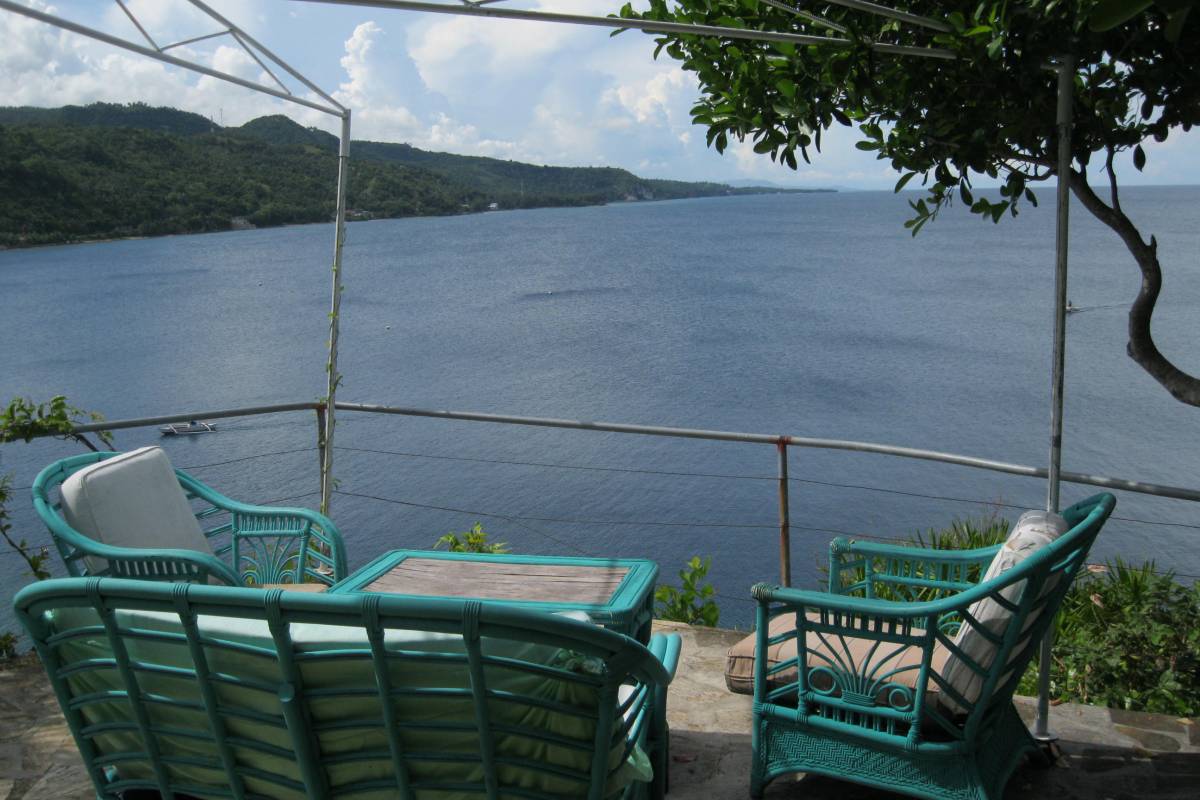
View of Bantayan

Half Way Done

To Do List:

Meet Stu and Anne

Home visit massage, mani, and pedi

Trip to town for Market Day 

Become a certified open water diver

Snorkel with sea turtle

My week at Granada Beach Resort was better than I could have possibly imagined. After the first dive, Stu and I went on four more over the next couple of days. Each time we strapped our gear on and swam down the sea wall, fish and corals I had never seen before appeared in front of my mask. No dive was the same. Whenever I tilted my head back and peered up at the sun’s rays, the surface seemed so far away. By the 5th dive I could set up and take down all the equipment by myself. I remembered to equalize the pressure in my ears during the descent and breathe with a slow even rhythm. But I never did get used to the beauty under the surface of the water.
Today, Anne’s niece and husband’s family came over for food and a swim in the pool. The husband and family are from Laguna Beach, California but come back for a month or so every year to the Philippines. It was nice to see some fellow Americans on lovely Independence Day. Happy Fourth of July! While everyone was sitting by the pool and drinking some San Miguel’s, I slipped away down to the beach to snorkel one last time. The day had been hot and humid so the ocean water felt cool on my skin.

I swam, or floated, for about 30 minutes before moving back toward shore. The coral under my feet changed back into sand and sea grass. I turned around one last time to see the reef before moving toward land. Out of the corner of my eye, the large green shell and fins waving slowly in the blue water. It was the biggest sea turtle I had ever seen.

The shell was about 2 feet long and blended perfectly with the murky grass. I would have missed the animal completely if it hadn’t decided to come up for air. As the turtle’s giant body moved toward the surface we breathed in unison, making eye contact just above the surface of the water. It was beautiful. Stu knows of a couple turtles in the area, he later told me. I said I would name the turtle Katelyn and he let me.

Just like Atty. Oposa said, appreciation is everything. How can people expect to love and care for beauty they have never seen?   Tomorrow I’ll be on my way to Bantayan Island to visit the field station of LNF and the School of the SEAs. Excited to see the field station but sad to end such a great week.

It’s turtles like these that remind you why the world is worth saving.

Cheshire Cat in Space

The first day of my internship with LNF, Atty. Oposa informed me that I needed to learn how to SCUBA dive. ASAP. There are local fishing villages, he said, who upon seeing the coral reefs and marine life below the surface of the water realized the tragedy of devastation caused by dynamic and cyanide fishing. Scuba diving would be my way to see the environment I would be fighting to protect.

Bedroom view

So I contacted Stu (see earlier post) and weeks later I arrived in Granada near Boljoon on the island of Cebu. Their property consists of their main house and the resort–a beautiful property built on a mountain with steps down to the resort pool, other buildings, and the beach front. I arrived at night and in the darkness I could just barely make out the mountains and the sea.

In the morning, I opened my eyes and thought I had gone to warm, tropical heaven. The windows in my room opened out onto rolling green hills with palm trees, song birds and pink flowers. I walked downstairs, through the open living room and kitchen to the veranda for breakfast. The giant papayas were picked from the trees along the house and the taste was sweet and delicious.

Papaya Tree

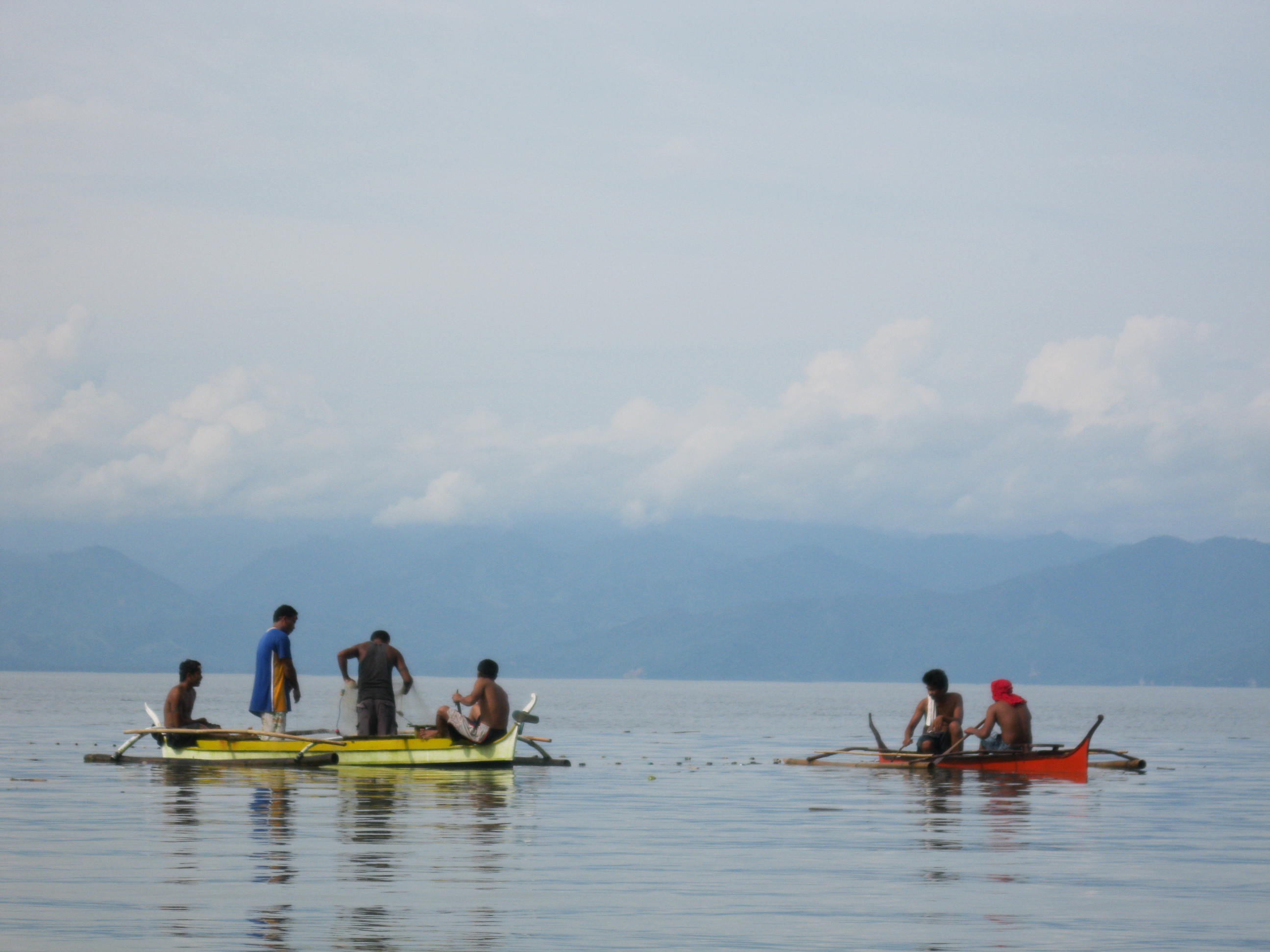
I jumped into my swimsuit and grabbed my mask before making my way down to the resort’s pool for my first diving lesson. Down and to my left was the ocean, eggshell blue melting into navy and sparkling in the morning light. I stopped multiple times to gaze through the tree branches toward the islands dotting the near horizon. Small fishing boats moved through the water and men with wide brimmed hats paddled or motored with the hopes of the day’s catch. This is where I will learn to dive, I thought. Life could be worse.

I spent almost two hours that morning learning the basics of diving. I tried on the bulky equipment and practiced breathing underwater with the regulator, BDC and tank. I felt like a fish–a big, unbalanced, awkward fish–and clearing my mask took a number of times before I felt comfortable removing my mask and clearing it using air from my nose. I listened to Stu’s instructions and tried to replicate them as my mind wandered to the memories my father had of diving with Stu long ago. I was swimming in my father’s wake with the same man by my side.

Hours later, after lunch and a cup of coffee, Stu and I were floating in the sea with our gear on ready to go for a dive. A real dive for the first time ever. I put the regulator in my mouth and took a few breaths. Don’t freak out, I told myself, What’s so scary about breathing under 30 feet of water for 45 minutes? Stu gave me the OK sign and we began to let the air out of our BCD’s, sinking slowly beneath the surface. I kicked my fins behind me and told myself to breathe.

Sea life appeared beneath my body and in front of my mask almost instantly. Black and white stripped fish danced between hard pink coral branches and long blue arms of sea stars hung onto the rock walls. I left like Alice falling into Wonderland and Neil Armstrong exploring the moon. There were creatures I had never seen before, organisms I could not create in my mind and there they were, living life as they had for generations. It was a sight to behold.

A “Journey” To Remember

There is a machine that is found everywhere in the Philippines: in high-rise apartments, along streets in red light districts and located inside small bamboo huts in the most remote Filipino villages. It is accompanied by family members, recent acquaintances, and even strippers in the major cities. In the words of Lady Gaga’s mom, “We are all born superstars,” and this machine allows those words of wisdom to come true. This machine, my friends, is called a Karaoke machine.

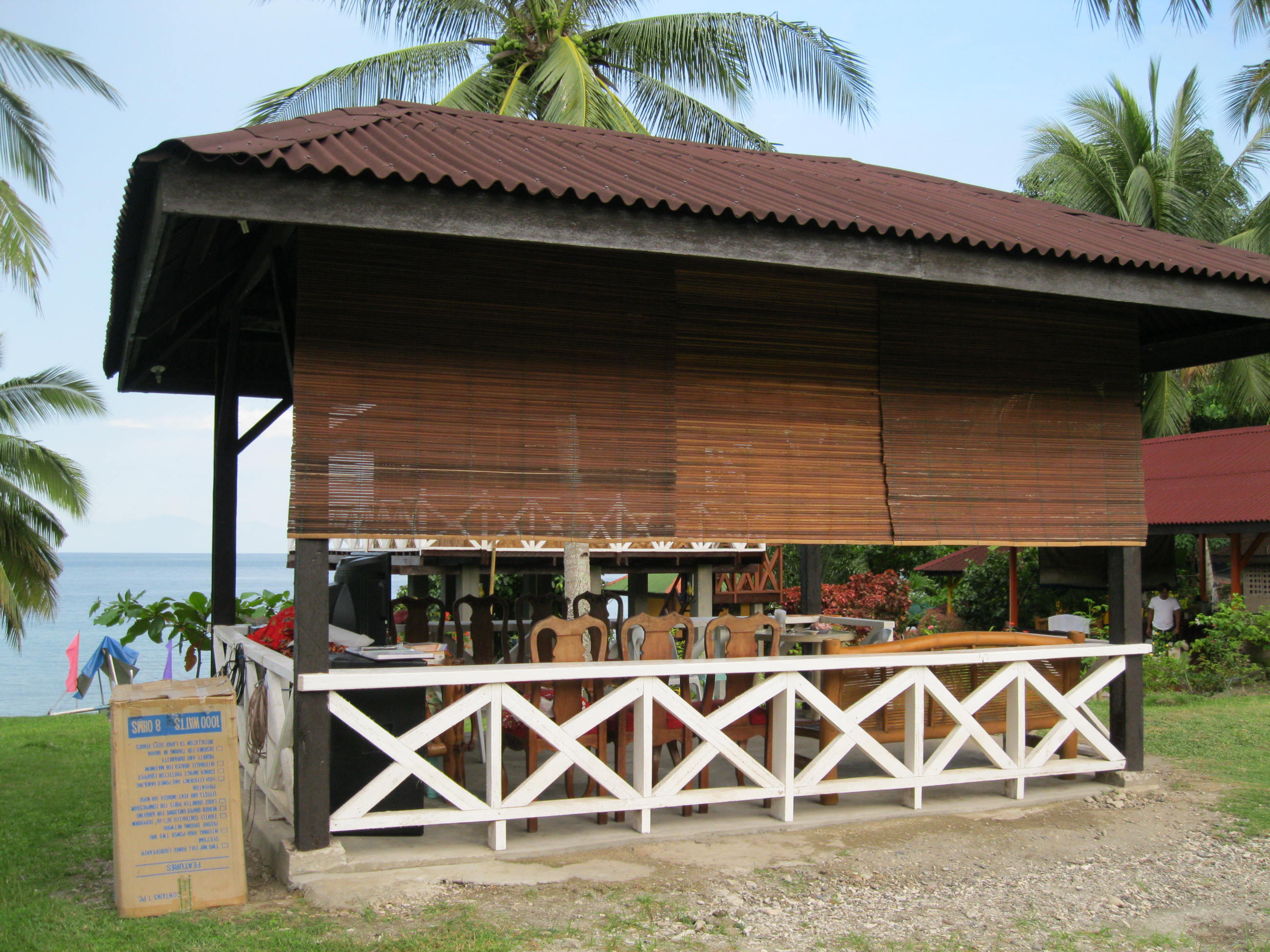
My first experience was at a councilor’s house in Samal just a day after I had arrived. The members of the coral restoration project and I were talking and drinking iced tea, discussing the day’s events.  Dun Dun, one of the men responsible for community outreach and education, walked over to a pavilion in the middle of the property and began belting out tunes one after another. The group joined him and someone informed me that if I really wanted to be Filipino, I had to sing karaoke. Nevermind that I just met these people about 24 hours prior and I don’t like listening to my own voice. Before I knew it,  I was sitting, wide-eyed with a microphone in hand and the lyrics of Don’t Stop Believing appearing on the screen in front of me.

Karaoke Hut

I sounded awful and laughed the whole time. “Sing more,” they chanted and we each did a number of songs before loading up in the truck and driving home. I shocked to see (and hear) other karaoke machines in the homes we visited over the next couple days. Bars and small shacks surrounded by weeds and mud had fully functioning televisions and microphones for use anytime of the day or night

Private Room (TV not shown)My second experience was in Davao City in a private rented karaoke room. After leaving Samal Island, Viv and I stayed two nights in Gene’s house (the same woman who owned the rest house in Samal) and got to see the city with her wonderful daughter Maiki. On our first night, we met Maiki’s cousins and ended up at a small pizza place with a large private room consisting of a bar area, couches and you guessed it…a kareoke machine. We spent the entire evening eating taco pizza, ordering beer, and singing to our hearts’ content. Sing if you’re sober. Sing if you’re drunk. Sing if you have a terrible voice. Sing sing sing. It was fabulous. 

In Metro Manila, particularly near Manila Bay, there are numbers of signs advertising KTV or Karaoke Television. I’ve heard that many of these place have live strippers coupled with televisions and microphones. For the tame, there are family KTVs for more wholesome song singing. Karaoke for everyone.

I’m getting used to having near strangers join me in love ballads, Spice Girl classics, and Jackson 5 favorites. To anyone who hasn’t traveled to the Philippines before: drink some warm tea, warm up the vocal chords and take a deep breath. A microphone and TV is closer than you think.

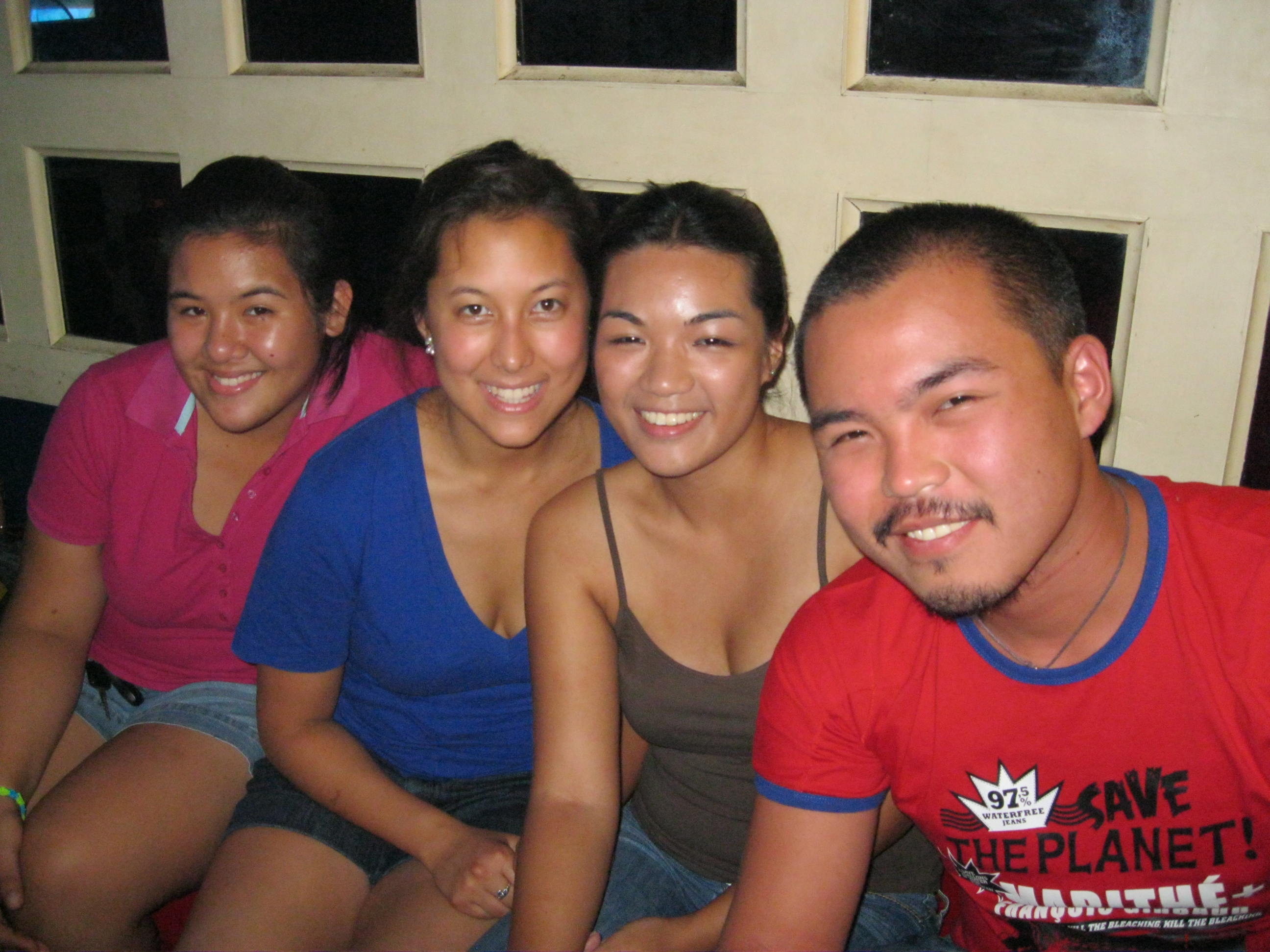
Maiki, Me, Viv, Viv's friend Miko

Island Adventure: Samal Edition

View from the house

The wonderful world of Wi-Fi does not extend to the far reaches of Samal Island, beneath the canopy of palm trees and bamboo walls that softly muffle the sound of the laughing ocean waves. Too poetic? Perhaps. My week-long exposure to community outreach and reef restoration was fundamental in both the research of my undergraduate thesis and my growing love of the Philippines . [Warning: this post is filled with pictures.]

Main House


The main goal: save the beautiful underwater habitats while providing the local fishermen with legal and safe ways to make money and fish. The project was titled The CORAL Project: COral, Restoration, Awareness, and Livelihoods. The mastermind behind the combination of Marine Protected Areas and a functioning sea cucumber ranch was Bonar Laureto, the former executive of the Law of Nature Foundation before (my boss and friend) Viv took over the position. Viv and I, along with a small team, stayed at the lovely rest house of Ma’m Jean and every member welcomed the confused American girl with open arms and wide smiles.

The Crew minus Bonar and Sherwin

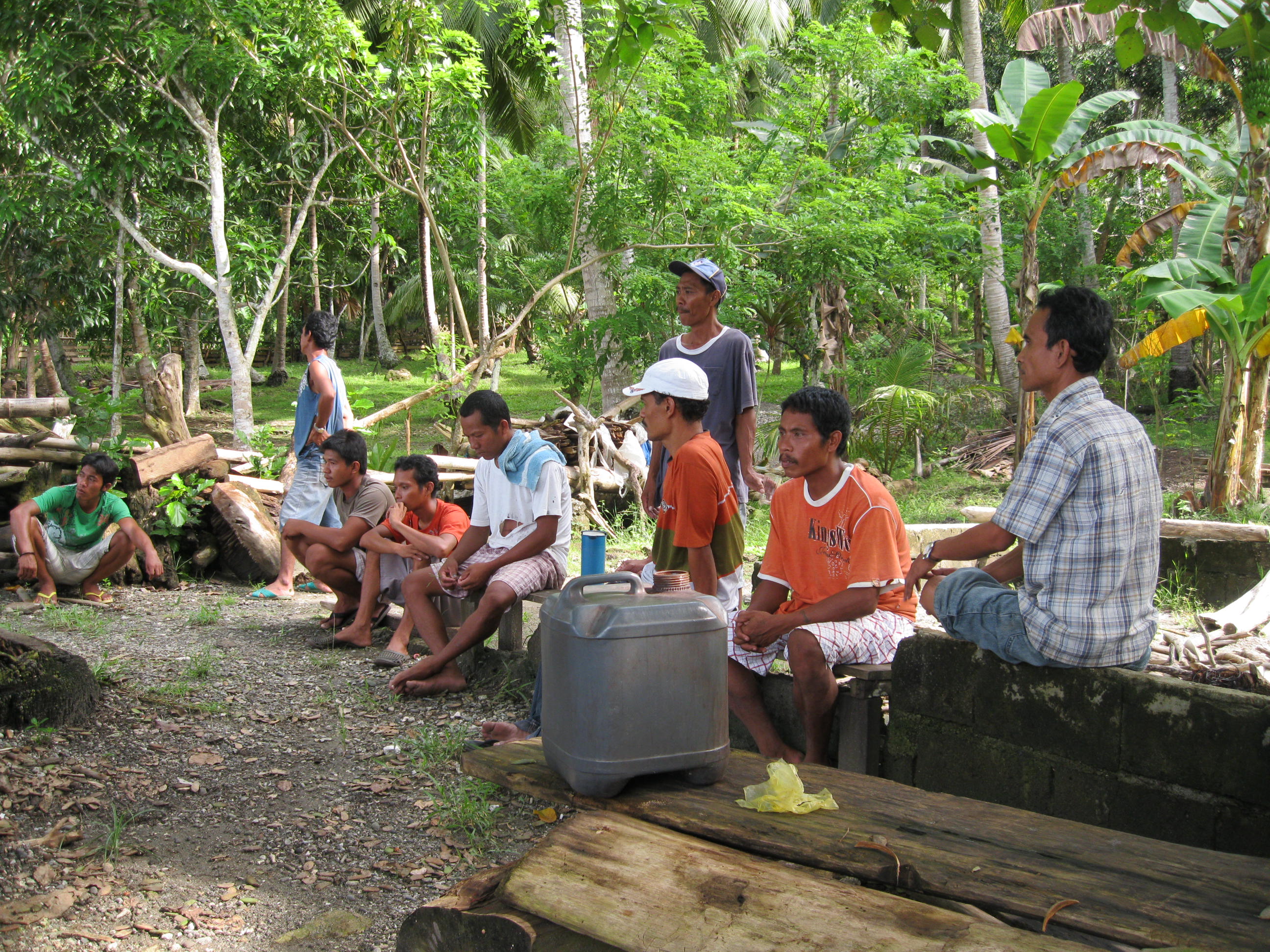
Excluding Viv and I, there were five main members and a range of incredible volunteers. Before every community meeting I was warmly introduced as we traveled to different villages, talking to local fisherman and explaining our project.Russ would translate for me while I videotaped the conversations. One man showed us three fish: his entire catch after being out at sea for 9 hours. I tasted tuba for the first time-homemade coconut wine that accompanied every community discussion. I saw young children playing in their father’s arms while the men explained how the lack of fish takes a toll on their families.


Community gathering


Too many stories to count. There was the dance lessons I received from the local woman in the Tagbaobo community and tasting incredible fish ginger soup.

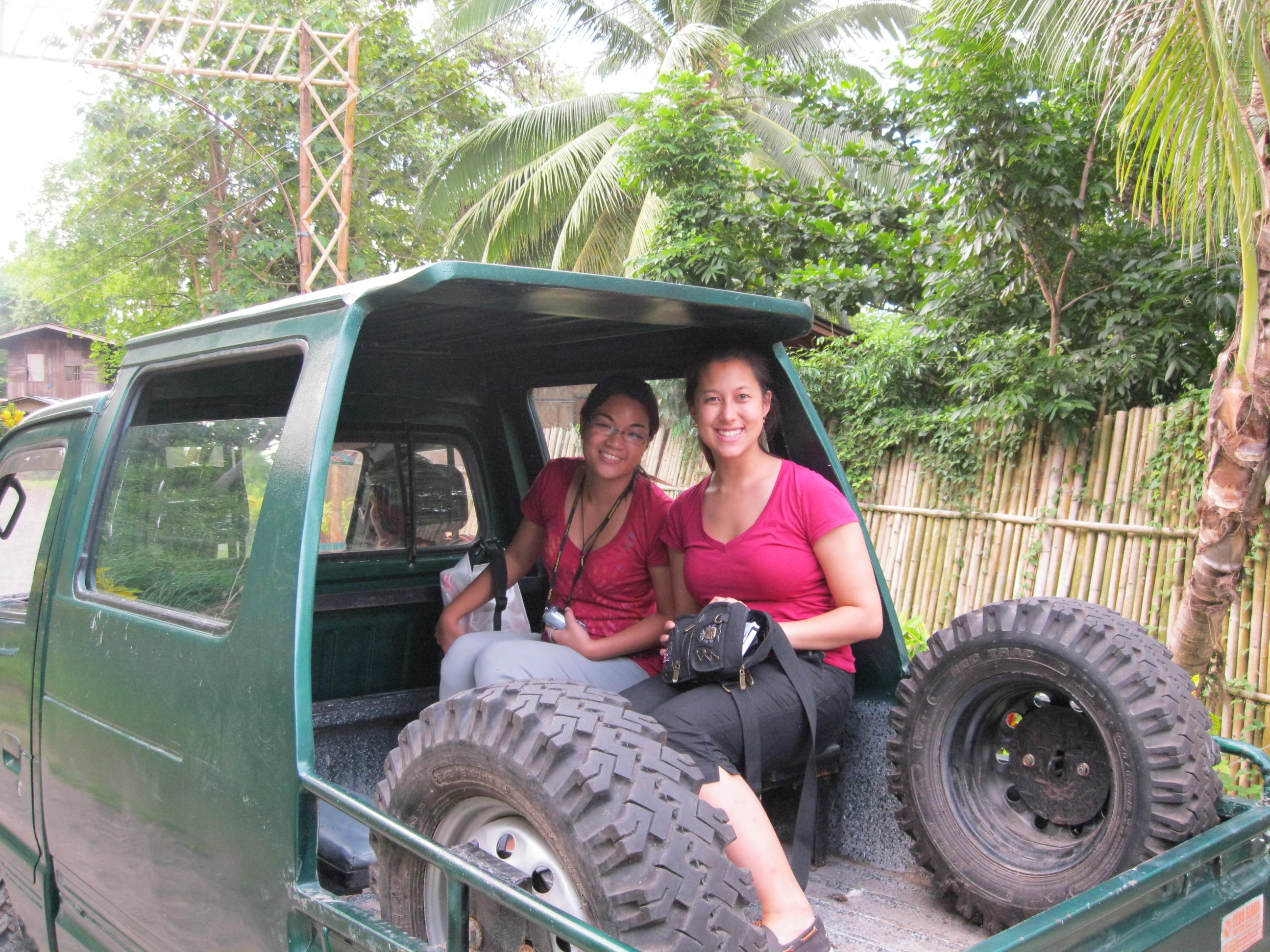
There was the hour and a half commute down the steepest, bumpiest unpaved roads I’ve ever seen, at night, in drizzle,seated in the back of a covered pickup truck. And there was snorkeling just off the coast of our house surrounded by sea snakes, brain coral, and clownfish swimming in every direction.

Viv and I in the truck

I could go on and on about the incredible people I met: the dedication, hope, and resilience found in community leaders, volunteers, and fishermen alike . I seem to have the same number of memories as I do bug bites but can only begin to scratch the surface of their deeper meaning.

Meaning of the memories. I figured out the bug bites pretty quick.

Fishermen on the ocean